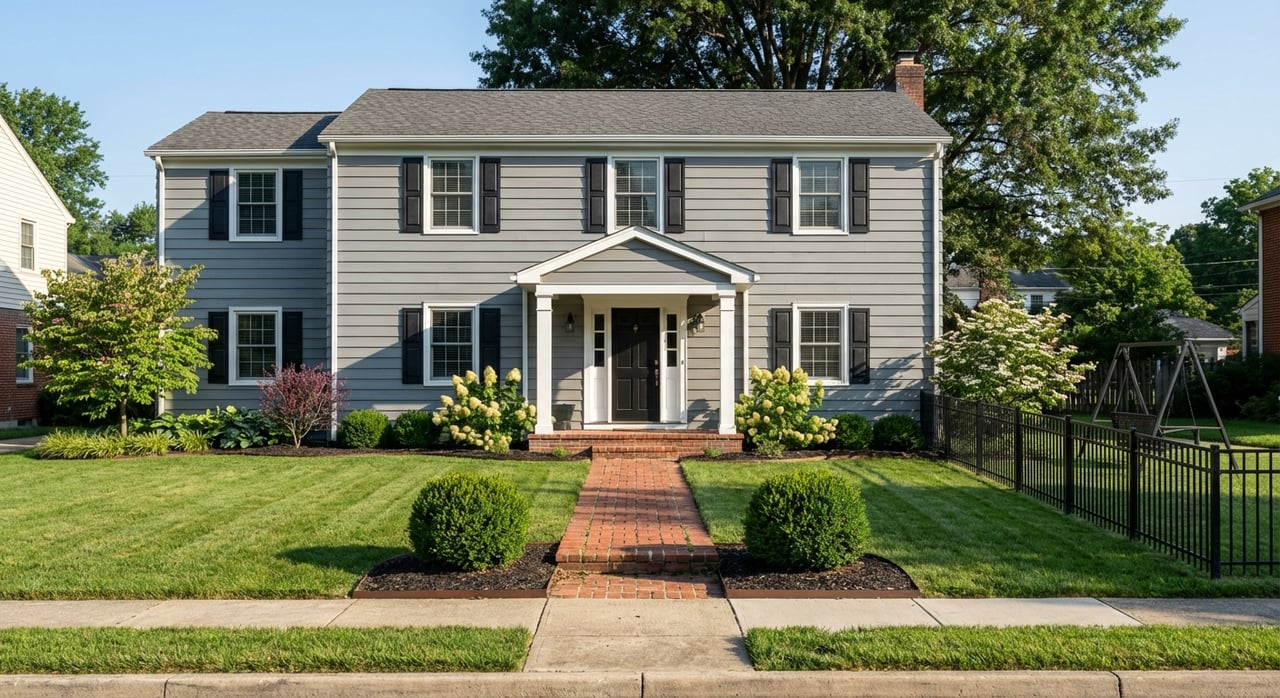
Are you getting ready for a home inspection in Festus and want to avoid last‑minute surprises? Whether you’re buying or selling, a clear plan can save you time, stress, and money. In this guide, you’ll learn exactly what a standard inspection covers, what matters most in Jefferson County, and how to prepare with practical checklists you can use right away. Let’s dive in.
What a standard inspection covers
Scope and limits
A standard home inspection is a visual, noninvasive review of a home’s major systems and components. Most inspectors follow national Standards of Practice from organizations like the American Society of Home Inspectors (ASHI) or InterNACHI. It is not a code compliance inspection and does not involve destructive testing.
Specialty testing, such as mold lab analysis, radon, termite/wood‑destroying organism (WDO) inspections, sewer scopes, septic evaluations, or lead‑based paint testing, typically falls outside the standard scope and can be ordered as add‑ons.
Systems and components inspected
During a standard inspection, you can expect an overview of:
- Exterior: siding, trim, doors/windows, decks/porches, grading, gutters/downspouts.
- Roof: visible covering, flashings, vents, and accessible attic areas; signs of aging or storm damage.
- Structure: visible foundation walls, piers, beams, and floor framing where accessible.
- Attic/insulation/ventilation: insulation type and level, ventilation, and visible sheathing.
- Interior: walls, ceilings, floors, windows, doors, and stairs.
- Plumbing: visible supply and drain lines, fixtures, and water heater operation.
- Electrical: service entrance, panels, visible wiring, grounding, and GFCI/AFCI presence.
- HVAC: furnace and AC operation, accessible components, and safe operation.
- Basements/crawlspaces: moisture, sump pumps, visible foundation movement, prior water intrusion.
- Fireplaces/chimneys: visual check of firebox, damper, and visible flue areas.
- Safety items: smoke/CO detectors, handrails/guardrails, and obvious trip hazards.
Most inspections take 2 to 4 hours. You will receive a written report with photos and prioritized findings, including safety concerns and repair recommendations.
Local Festus factors that matter
Climate, roofs, and drainage
Festus gets hot, humid summers and cold winters with freeze/thaw cycles. That means inspectors pay close attention to attic insulation and ventilation, since poor airflow can drive cooling costs and moisture problems. Roof wear can accelerate due to storms, wind, and hail, so expect a careful look at shingles, flashing, and any signs of past damage. Grading and downspouts are also critical to manage heavy spring rains and protect your foundation.
Basements, crawlspaces, and moisture
Many Jefferson County homes have basements or crawlspaces. Inspectors commonly check for working sump pumps, battery backups, efflorescence, and signs of prior water intrusion. A standard inspection documents visible moisture and conditions that can foster mold. If concerns arise, you can add mold testing or moisture diagnostics.
Radon in Missouri homes
Radon is present across much of Missouri. A short‑term test during your inspection window is a smart step, with the EPA’s radon guidance setting an action level of 4.0 pCi/L. For state resources and testing information, visit the Missouri Department of Health and Senior Services radon page. If results come in above the action level, a mitigation system is usually recommended.
Termites and other WDO concerns
Subterranean termites are found throughout eastern Missouri. Many buyers order a separate WDO inspection, especially with older homes or visible wood damage. For background on prevention and control, review University of Missouri Extension guidance on termites.
Sewer, septic, and wells
In Festus, homes may be on public sewer or private septic. Confirm which system serves the property. If septic, plan for a professional septic inspection and pump‑and‑inspect. If there’s a private well, water quality testing for bacteria and nitrates is a good idea. Older sewer lines can benefit from a sewer scope to check for root intrusion or breaks.
Buyer inspection checklist
Before you’re under contract
- Ask if the seller has a recent inspection or pre‑listing report.
- Confirm whether the home uses public sewer or a septic system.
- Note any HOA rules or property features that could affect your inspection scope.
During your inspection window
- Hire a qualified inspector who follows ASHI or InterNACHI standards.
- Consider add‑ons based on age and location: radon test, WDO inspection, sewer scope, septic inspection, lead‑based paint test for pre‑1978 homes, HVAC service check, and chimney Level 2 if you plan frequent fireplace use.
- Attend the inspection if possible. Bring a list to verify items like roof age, HVAC service history, and sump pump battery backup.
After you receive the report
- Review findings with your agent. Prioritize safety, structure, roof, HVAC, electrical, and plumbing.
- Order specialty inspections if needed, such as mold testing, radon mitigation estimates, structural engineer consults, or sewer scopes.
- Track deadlines closely so you stay within the inspection contingency period.
Seller pre‑listing checklist
- Consider a pre‑listing inspection to fix issues before buyers find them.
- Handle quick wins: repair gutter leaks, secure railings, replace burnt‑out bulbs, clear and clean gutters, improve grading, service HVAC, and change filters.
- Gather service records for roof, furnace, AC, sump pump, water heater, electrical upgrades, and any permits for past work.
- If major defects exist, decide whether to repair, disclose and price accordingly, or offer a credit.
- For older homes, disclose known lead‑based paint, any radon test results, and past WDO treatments.
Day‑of‑inspection checklist for everyone
- Ensure all utilities are on so systems can be tested.
- Provide full access to attics, crawlspaces, electric panels, mechanical rooms, and garages.
- Move stored items away from panels, under‑sink areas, furnaces, and water heaters.
- Share documentation like warranties, service records, and permit paperwork.
- Buyers: bring a notepad and ask questions. Inspectors welcome your participation.
Specialty inspections to consider in Festus
- Radon test: recommended for most homes in Missouri.
- WDO/termite inspection: common for older homes or if wood damage is visible.
- Sewer scope: smart for older lines, large trees nearby, or a history of backups.
- Septic inspection and pump‑out: essential if on a private septic system.
- Chimney Level 2 inspection: before regular fireplace use.
- Mold assessment and lab testing: when visible growth or persistent dampness exists.
- Structural engineer evaluation: if the inspector flags significant foundation or structural concerns.
- Lead‑based paint testing: for pre‑1978 homes if you want confirmation.
How to hire the right inspector
- Credentials: look for membership with ASHI or InterNACHI, ongoing education, and proof of professional liability insurance.
- Sample report: confirm it includes clear photos, plain‑language explanations, and prioritization of safety and major repairs.
- Local experience: Jefferson County familiarity helps with basements, radon, moisture, and storm‑related roof wear.
- References and reviews: read recent feedback and ask your agent for recommendations.
- Fee transparency: request an itemized quote for the standard inspection and any add‑ons.
Costs, timing, and what to expect
- Most inspections are scheduled within the 7 to 14‑day inspection contingency window. Reports are typically delivered within 24 to 72 hours.
- Typical price ranges vary by size, age, and scope:
- Standard inspection: about $300 to $600
- Radon test: about $100 to $200
- Sewer scope: about $150 to $400
- WDO inspection: about $75 to $200
- Septic inspection/pump‑out: commonly $300 to $600
- Your inspector may be above or below these averages. Always get a written quote.
Permits and records check
Unpermitted additions can show up as safety or insurance concerns during inspections. If you have questions about past work, check permit records with the City of Festus or Jefferson County building offices. Sellers should disclose known unpermitted work. Buyers should verify permits when inspection findings suggest alterations.
Ready to move forward?
A thorough inspection gives you leverage to make smart, confident decisions. If you want local guidance on which tests to order, how to prioritize repairs, and how to position your sale or purchase, we are here to help. Connect with Traci Palmero for trusted, local support.
FAQs
What does a Festus home inspection include?
- A visual review of major systems and components such as roof, structure, HVAC, electrical, plumbing, interiors, and safety items, with a written report and photos.
Should I attend my inspection in Jefferson County?
- Yes. Being present helps you understand how systems work, what maintenance is needed, and which items to prioritize.
Are home inspectors licensed in Missouri?
- Licensing requirements vary by state, so focus on inspector credentials, insurance, experience, and sample reports rather than licensing alone.
When should I renegotiate after the inspection?
- Prioritize safety hazards and major system issues such as structure, roof, HVAC, electrical, and plumbing; discuss strategy and options with your agent.
How long does an inspection take and when will I get the report?
- Most inspections take 2 to 4 hours, and you typically receive the report within 24 to 72 hours afterward.