A Practical Guide To Rental Property Investing In St. Charles
May 7, 2026
May 7, 2026
Wondering if St. Charles is a smart place to buy a rental property? That is a fair question, especially when rents, home prices, and local rules can all pull your numbers in different directions. If you are thinking about investing here, this guide will help you understand what the market looks like, where the opportunities may be, and what practical details matter before you buy. Let’s dive in.
St. Charles offers a mix that many investors find appealing: a stable housing market, a meaningful renter base, and signs of continued long-term growth. In 2024, the city had 72,458 residents, and its population grew 2.7% from 2020 to 2024. That kind of growth does not guarantee returns, but it does support the idea that housing demand has staying power.
It is also a mostly owner-occupied market. The owner-occupied housing-unit rate was 68.0% in 2024, and city planning materials show renter-occupied units make up about one-third of the housing stock. For you as an investor, that can mean a market that feels more stable than renter-heavy areas while still offering enough tenant demand for long-term rentals.
St. Charles has a real renter base, but it is not a market where you should assume every property will lease quickly at any price. City planning documents show renter occupancy has averaged 34.4% since 1990, which points to steady long-term demand rather than a sudden surge. That can be a positive if you are looking for consistency over speculation.
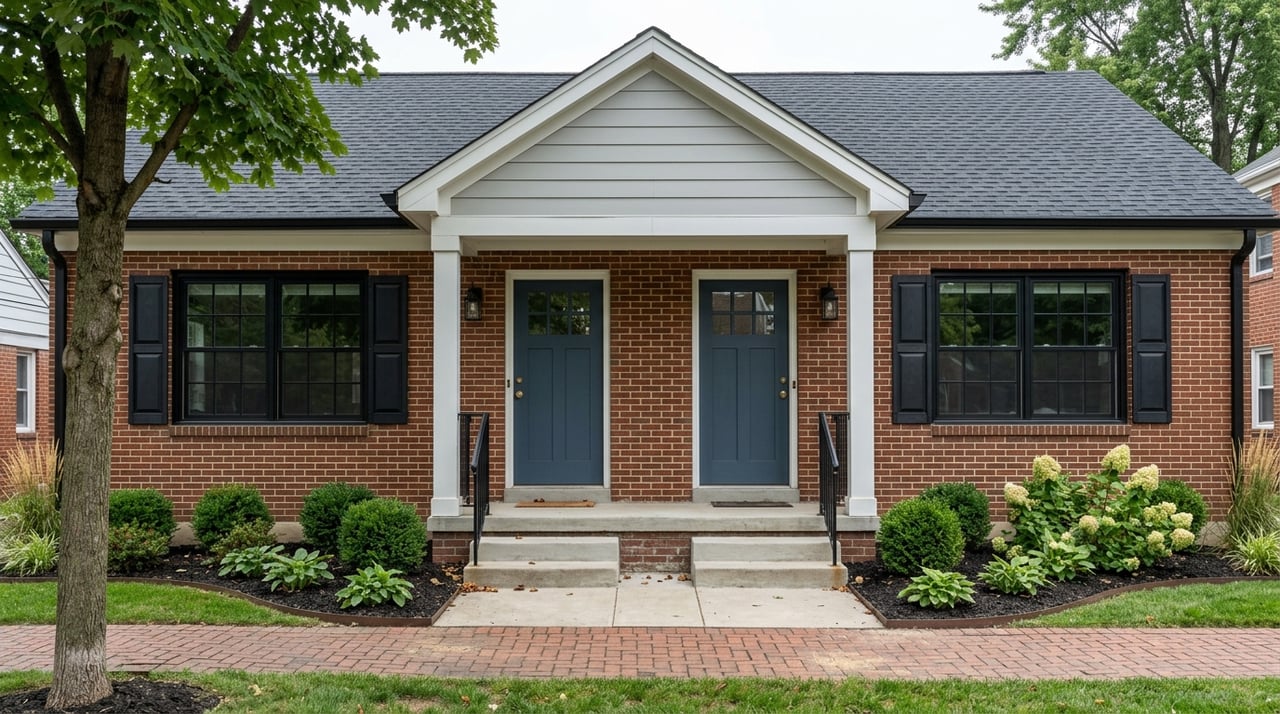
The housing stock also shapes the rental landscape. Planning materials describe a market dominated by single-family subdivisions, with duplexes scattered through older neighborhoods, manufactured homes making up about 3.8% of the housing stock, and New Town continuing as a mixed-use growth area. In practical terms, that means your property type matters a lot when you are evaluating rental demand and future resale potential.
If you have looked up rents online, you have probably noticed the numbers do not all match. That is normal. Different platforms use different methods, so it is better to think in ranges than to fixate on one exact figure.
Here is the broad picture from current market data:
Zillow Rental Manager also breaks out average rents by unit size:
The takeaway is simple: underwriting should be conservative. If you are running numbers on a potential rental in St. Charles, use a rent estimate supported by comparable properties and leave room for variation.
Current listing activity suggests renters do have options, but the market does not appear heavily oversupplied. Zillow Rental Manager showed 88 rentals available, while Realtor.com reported 60 homes for rent. Active inventory can shift, but these figures point to a market where pricing and presentation still matter.
For vacancy context, the best official figures available in the research are county-level rather than city-specific. St. Charles County's Consolidated Plan described vacancy at 4.9%, and the county housing summary projected 4.0% vacant in 2024. That does not give you a city-only vacancy rate, but it does suggest the broader market is not dealing with unusually high oversupply.
For investors, this means you should not count on weak marketing to be rescued by automatic demand. Tenant turnover, condition, and rent strategy are likely to have a direct impact on performance.
Because St. Charles is largely made up of single-family housing, many investors will naturally focus there first. Single-family rentals can align well with the city's overall housing pattern and may offer broader resale appeal down the road. They can also fit the expectations of renters looking for more space in a mostly owner-occupied environment.
That said, there may also be opportunities in two-family or multi-family zoning categories, depending on the specific parcel and local rules. The city zoning districts relevant to rental investors include:
One important detail is that many single-family subdivisions are planned development districts. Because planned development rules can vary by project, parcel-level verification is important before you buy. In other words, never assume a property's use just because nearby homes look similar.
If your plan is to buy and hold a traditional rental, St. Charles gives you a clearer path. Long-term rentals require a residential occupancy inspection before the first tenant moves in and again after each change of tenant. The city states the certificate fee is $50 per dwelling unit inspected, and the inspection checklist focuses on health and safety basics like smoke detectors, electrical systems, plumbing, stairs, windows, roofs, and exterior maintenance.
Short-term rentals are a different story. The city requires a short-term rental permit, an annual safety inspection, use in a primary structure only, off-street parking, and a noise monitoring device. In residential zoning, new short-term rentals are limited to the EHP district and capped at 0.15% of total housing units, and the city says it is not accepting new applications for residentially zoned short-term rentals.
For most investors, that makes the practical choice pretty clear. In St. Charles, long-term rentals are generally the more realistic investment model.
If you are chasing high headline yields, St. Charles may not be the easiest fit. Based on Census medians of $1,251 in monthly rent and $298,700 in owner-occupied value, a simple gross-rent screen comes out to about 5.0%. A similar rough result appears when using Zillow's average rent and home value data.
That is only a pre-expense snapshot, so it is not a full investment analysis. Still, it tells you something important: this is likely a market where your purchase price, financing terms, repair budget, and rent discipline will shape results more than any built-in cash flow advantage.
That does not make St. Charles a weak investment market. It simply means you should buy carefully and avoid stretching on price.
St. Charles appears to offer steadier long-term upside than dramatic short-term cash flow. Zillow's home-value page puts typical home values at $344,643, up 1.4% year over year, with homes going pending in around 6 days and 206 homes for sale as of March 31, 2026. Those figures suggest a market that is still moving, even if it is not delivering easy deals.
Longer-term growth is also supported by population gains and ongoing development. The city added residents from 2020 to 2024, and planning materials point to continued development in areas such as New Town, Charlestown, Sandfort Farms, and Elm Crossing. For you as an investor, that supports a strategy built around steady occupancy, moderate cash flow, and long-term equity growth.
Before you buy, it helps to approach each property with a practical checklist. In a market like this, details make the difference.
Do not rely on one online rent estimate. Compare the property's size and type with current local rental ranges, and build your numbers using a conservative figure. A property that only works at the highest possible rent may not be a strong buy.
Zoning can affect what you can do with a property now and later. Confirm the parcel's actual zoning designation and whether any planned development rules apply. This is especially important in subdivisions where the broader neighborhood look may not tell the full story.
For long-term rentals, occupancy inspections are part of the process before the first tenant and after each tenant change. That means turnover costs are not just about paint and cleaning. You should also plan for inspection timing, repairs, and the city certificate fee.
County vacancy context suggests the market is not heavily oversupplied, but that does not mean every property will stay full without effort. Build in realistic downtime between tenants and avoid assuming instant replacements.
In a competitive rental environment, clean presentation and functional updates matter. Properties that show well, meet inspection standards, and are priced thoughtfully are better positioned to limit vacancy and attract stable tenants.
For many buyers, yes, but with the right expectations. St. Charles looks better suited to investors who want a relatively stable market with a meaningful renter base, moderate rent support, and potential for long-term equity growth. It may be less attractive to investors looking for very high cap rates or an easy short-term rental play.
That is why strategy matters. The best investment properties in St. Charles are likely the ones purchased at the right basis, in the right zoning context, with realistic rents and a plan for long-term performance.
If you are thinking about buying an investment property in St. Charles, having local guidance can save you time, sharpen your numbers, and help you avoid costly assumptions. When you are ready to talk through your options, connect with Traci Palmero for a practical, data-driven conversation about your next move.
Stay up to date on the latest real estate trends.
As a multi-lingual real estate expert with designations like ABR, PSA, SFR, and SRS, Traci brings unmatched skill in handling complex transactions. More than just an agent, she's your trusted partner, ensuring informed decisions and a smooth process every step of the way.