Choosing New Construction vs Historic Homes in St. Charles
April 2, 2026
April 2, 2026
Trying to choose between a brand-new home and a historic property in St. Charles? You are not alone. For many buyers, this decision comes down to more than style. It is about maintenance, energy costs, renovation rules, and how you want to live day to day. If you are weighing both options, this guide will help you compare the tradeoffs in St. Charles so you can move forward with more confidence. Let’s dive in.
St. Charles has a housing mix that gives you real options. You can find newer homes with modern systems and efficiency features, and you can also find older homes in established areas with architectural detail and a strong sense of place.
The local market is also competitive. According to Redfin’s St. Charles housing market data, the median sale price was $335,000 as of February 2026, with a median of 29 days on market and a 100.3% sale-to-list ratio. That means your decision should be based not only on age, but also on condition, pricing, and parcel-specific details.
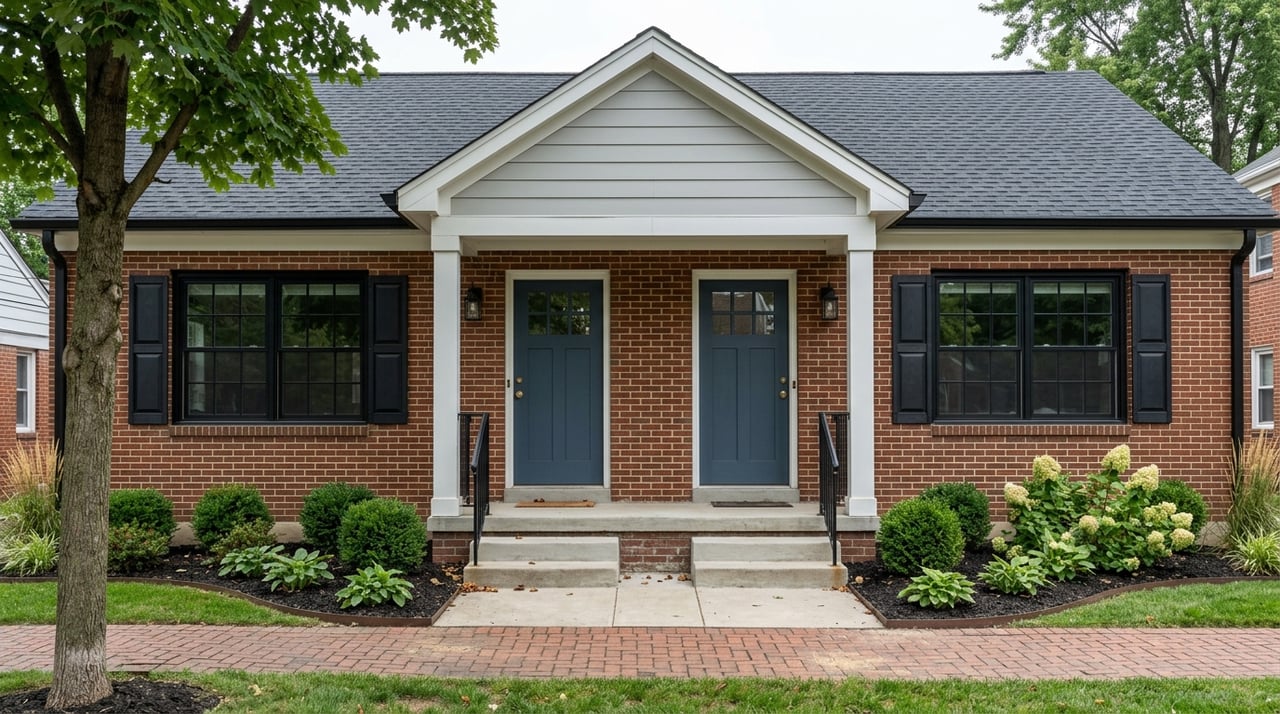
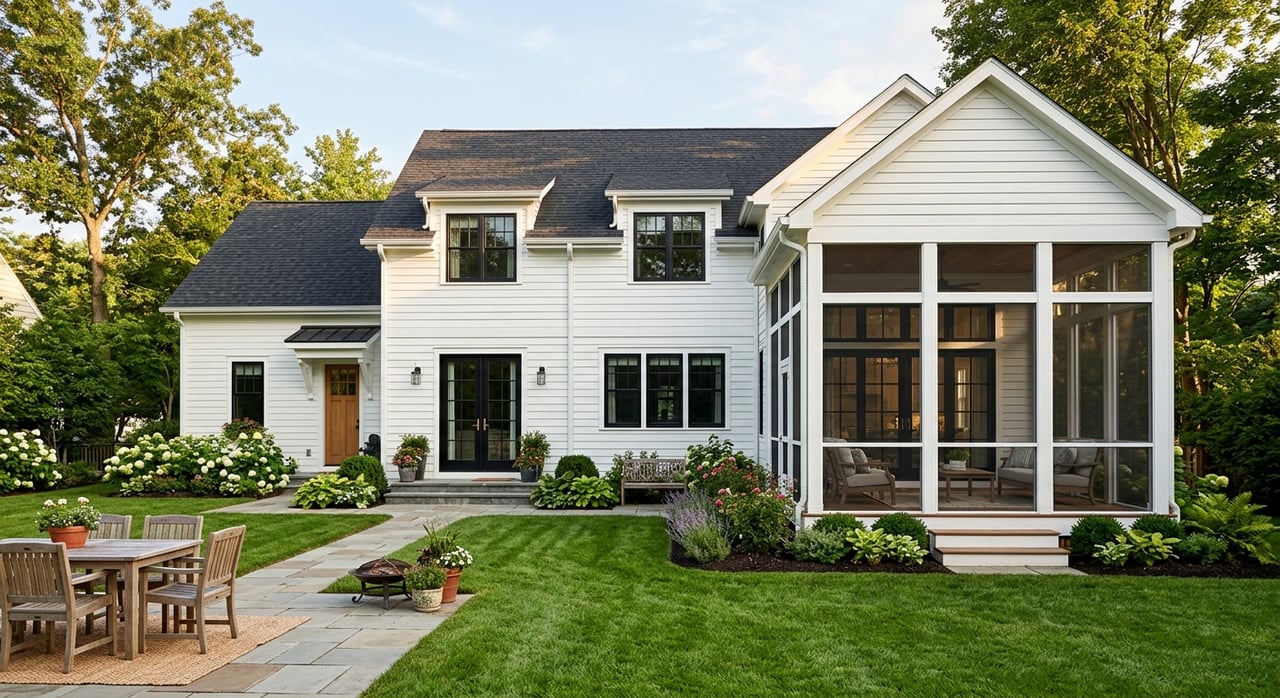
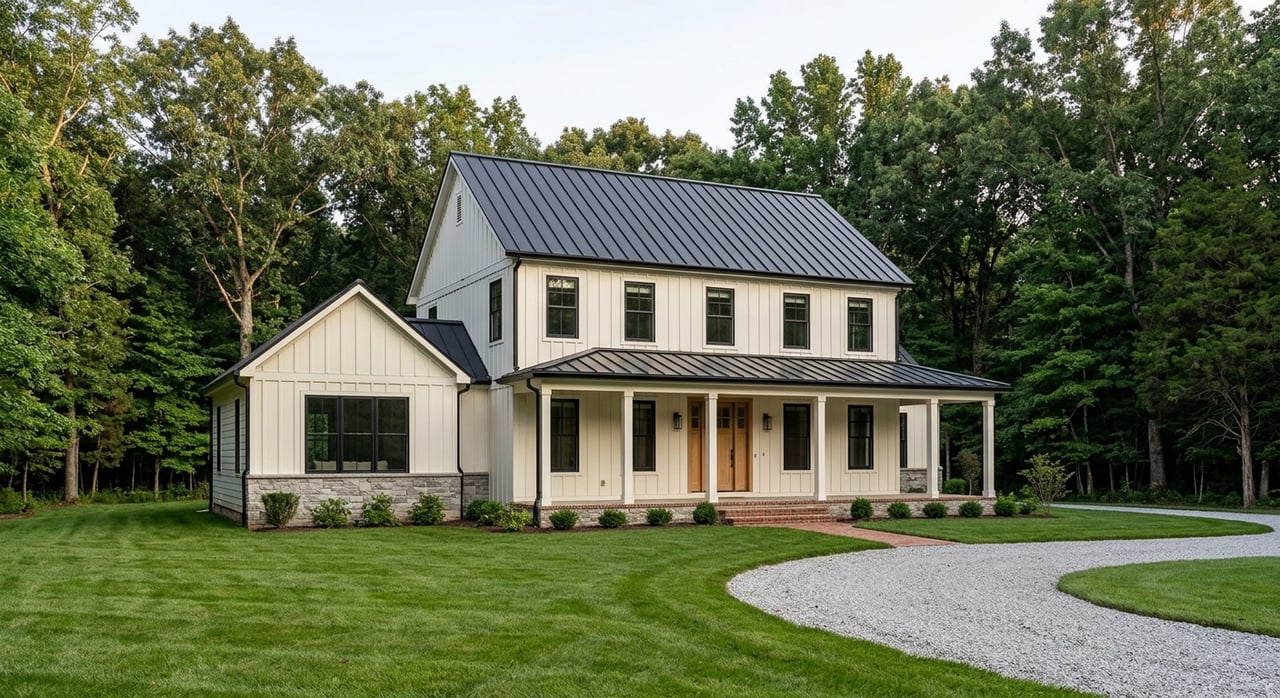
New construction usually appeals to buyers who want a home that feels move-in ready from day one. In many cases, you are starting with newer roofing, HVAC, plumbing, electrical, and insulation, which can reduce immediate repair needs.
Energy efficiency is one of the biggest advantages. ENERGY STAR’s residential new construction guidance notes that new homes and apartments must meet strict energy-efficiency requirements, and modern air sealing and insulation can help reduce energy use.
One of the biggest reasons buyers choose new construction is predictability. You may still have routine upkeep, but you are generally less likely to face near-term replacement of major systems compared with an older home.
That can make budgeting feel easier, especially if you want to avoid stacking renovation costs on top of your mortgage. If convenience matters to you, new construction can be attractive for that reason alone.
Newer homes are more likely to align with today’s building and energy standards. Better insulation, tighter construction, and updated mechanical systems can translate into a more comfortable home and potentially lower utility use.
If your priority is a home that starts out efficient without needing immediate upgrades, that is a strong point in favor of new construction.
Even with a new home, you still want to confirm the details. The City of St. Charles Planning and Zoning Division reviews development through zoning, site plans, floodplain administration, and historic-preservation review.
That matters because not every new build is free from extra review. If a property is located within a locally designated historic district, the city says the Landmarks Board may need to approve certain exterior work and new construction that requires a building permit.
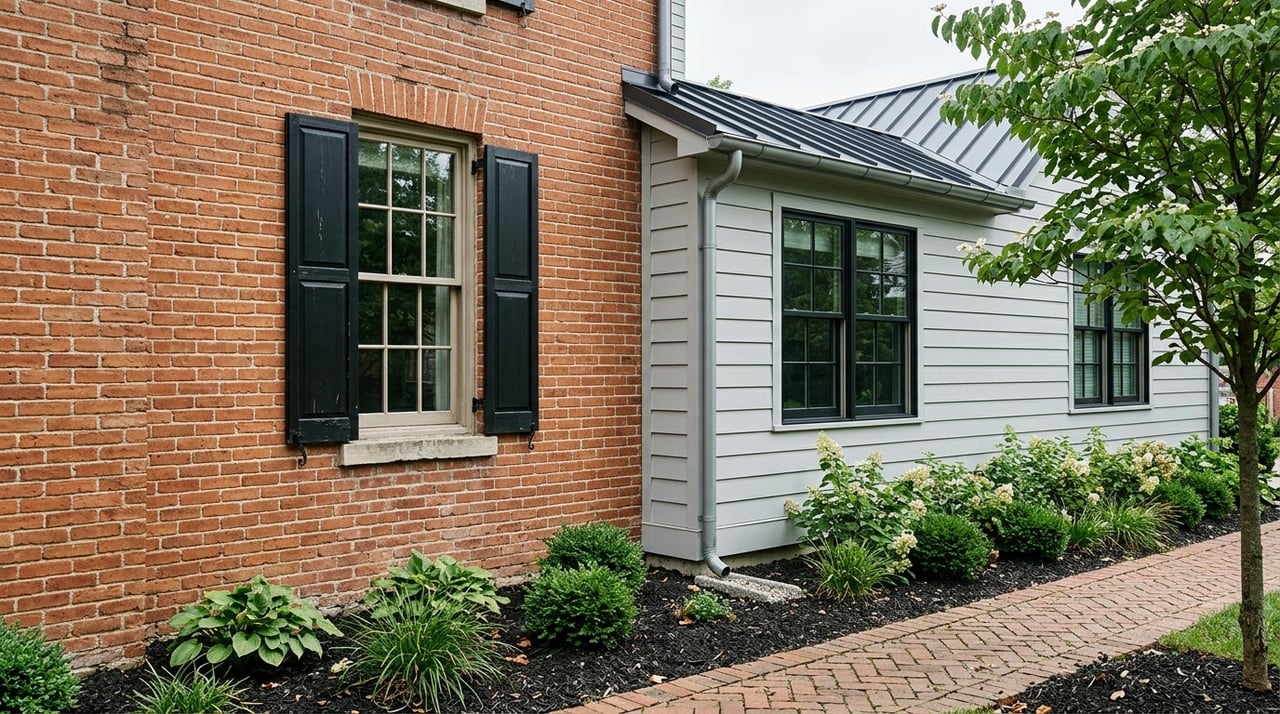
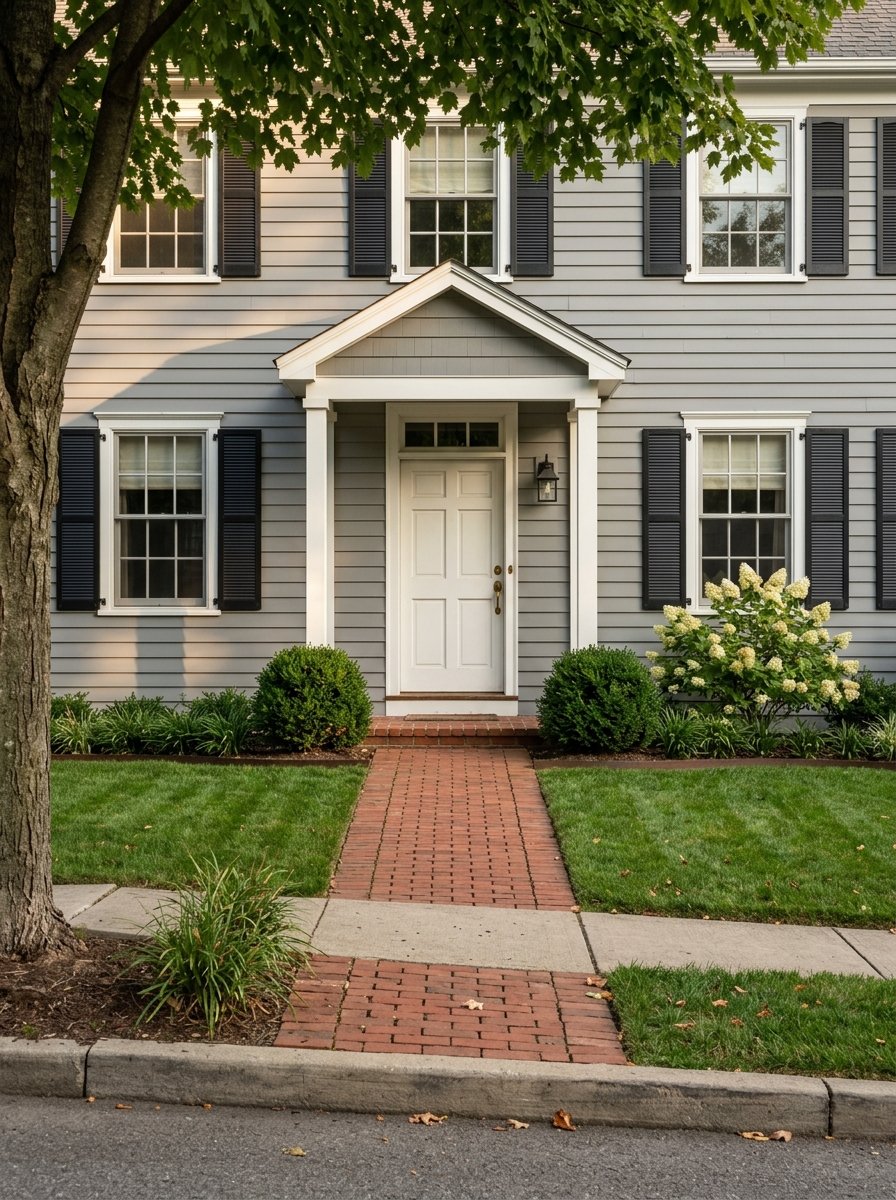
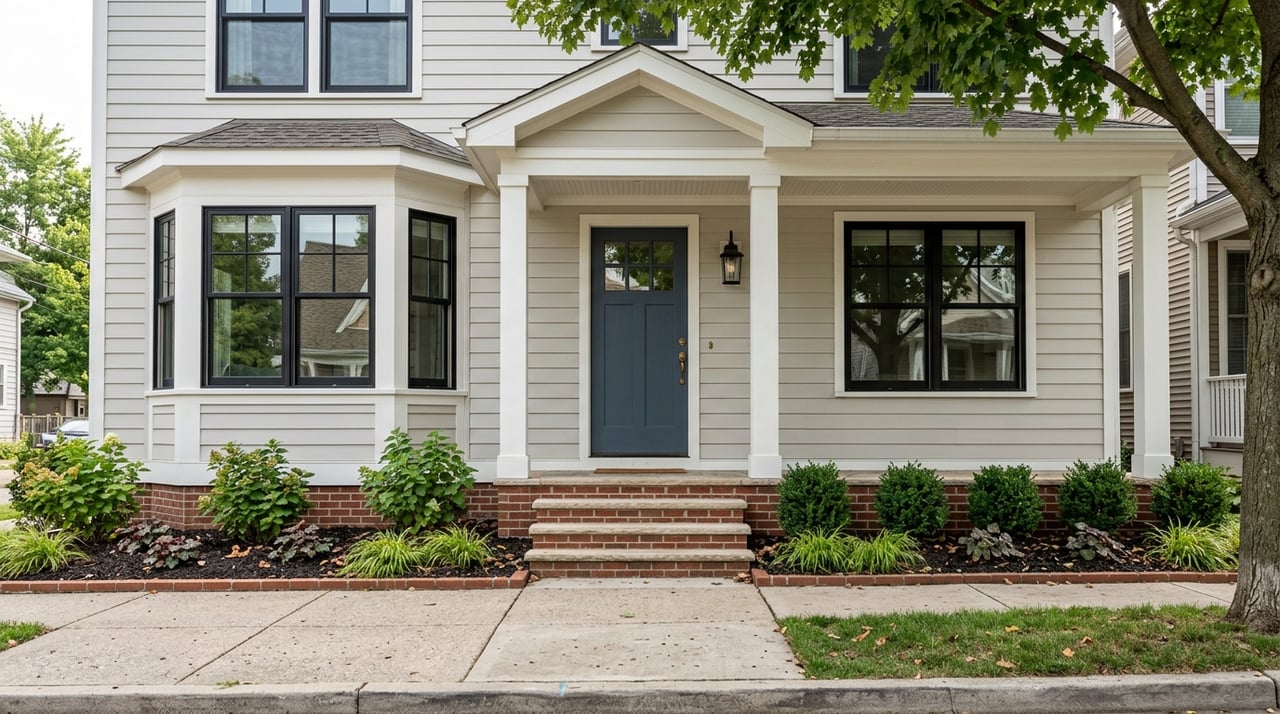
Historic and older homes appeal to buyers who want character that is hard to replicate. In St. Charles, older homes can offer distinctive architecture, established street patterns, and a setting that feels tied to the city’s long history.
The city has 26 individual landmarks and 6 historic districts containing more than 3,000 properties, including South Main, Historic Downtown, Frenchtown, The Commons, Landmarks, and the Extended Historic Preservation District. If you are drawn to charm and preservation, these areas may be especially appealing.
Older homes often stand out because of details you notice right away. Porches, original trim, unique facades, and established surroundings can create a feel that many buyers love.
In St. Charles, that appeal is part of the local housing story. The city’s preservation framework reflects an ongoing effort to maintain historic character and distinctive charm.
Historic homes can come with added steps if you want to make exterior changes. The city notes that in historic districts, work such as replacing windows, doors, siding, or porches may require Landmarks Board approval. Demolition and new construction do as well.
That does not mean a historic property is the wrong fit. It just means you should go in with clear expectations about timing, approvals, and renovation flexibility.
Older homes can often be improved, but they may not start at the same efficiency level as a new build. The U.S. Department of Energy says many older homes have less insulation than homes built today and recommends an energy assessment to identify air-sealing and insulation needs.
If you love an older home, it is smart to budget for possible upgrades over time. In Missouri, the Home Energy Certification program can also help homeowners document energy-efficient improvements when it is time to sell.
The purchase price is only part of the story. What matters just as much is how the home may affect your budget after closing.
A new home may cost more upfront in some cases, but it can reduce surprise maintenance early on. A historic home may require more updates, though some buyers see value in that trade if they want location, character, or a long-term restoration plan.
If you are considering a qualifying historic property, there may be financial support worth exploring. Missouri’s historic preservation assistance resources include the Missouri Historic Preservation Tax Credit for rehabilitating commercial and residential historic structures.
That will not erase renovation costs, but it can improve the numbers for buyers planning meaningful restoration work.
In St. Charles, floodplain status should be part of your research no matter what type of home you buy. The city participates in the National Flood Insurance Program and administers floodplain regulations, but it also says it cannot make an official floodplain determination for you.
The city’s Geography page directs buyers to verify flood-zone information through a flood-zone determination company, insurer, or licensed Missouri surveyor. It also points you to parcel-level tools through the assessor database, county GIS, and FEMA maps.
Do not assume an older home is more likely to be in a flood-prone area, or that a newer home is not. Lot size, flood exposure, zoning, and parcel shape are all property-specific.
The city’s GIS and Mapping tools are a practical place to start when you want to verify lot dimensions, zoning, and map-based parcel details before making a decision.
| Factor | New Construction | Historic Home |
|---|---|---|
| Maintenance | Usually fewer immediate repairs | May need updates sooner |
| Energy efficiency | More likely to meet current standards | May need insulation and air-sealing improvements |
| Character | Cleaner, more modern feel | Distinctive architecture and established surroundings |
| Renovation flexibility | Often simpler, depending on location and permits | Exterior changes may require approval in historic districts |
| Budget planning | More predictable early costs | Potential for improvement costs and longer timelines |
If you want lower maintenance, modern efficiency, and a more predictable first few years of ownership, new construction may be the better fit. It can be especially appealing if you are relocating, managing a busy schedule, or simply want fewer projects after move-in.
If you care most about character, setting, and the feel of an established area, a historic home may be worth the extra planning. You just want to go in prepared for possible approval requirements, energy upgrades, and a different kind of ownership experience.
There is no one-size-fits-all answer in St. Charles. In a competitive market, the best choice is the one that matches your budget, tolerance for maintenance, and long-term plans. If you want help comparing properties, reviewing local factors, and narrowing down what fits your goals, connect with Traci Palmero for practical, data-driven guidance.
Stay up to date on the latest real estate trends.
As a multi-lingual real estate expert with designations like ABR, PSA, SFR, and SRS, Traci brings unmatched skill in handling complex transactions. More than just an agent, she's your trusted partner, ensuring informed decisions and a smooth process every step of the way.