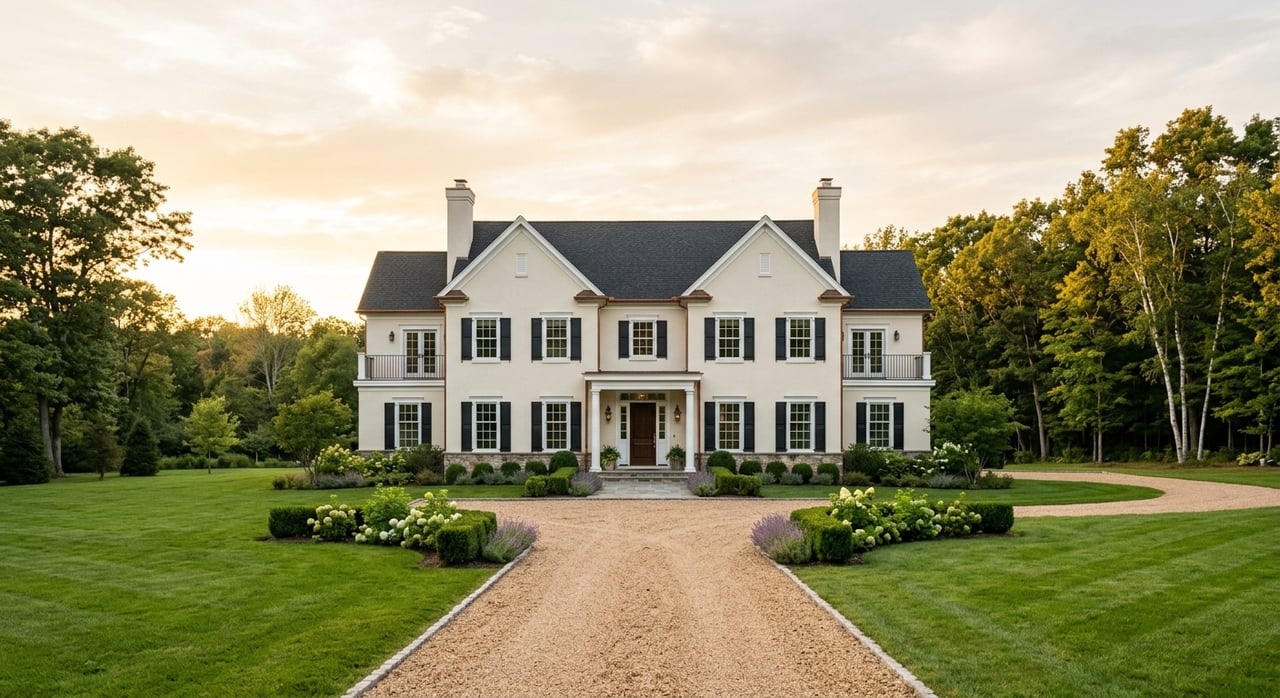
Farmington MO In-Town Living vs Acreage: What Fits?
July 2, 2026
July 2, 2026
Wondering whether you should stay close to town or spread out on a few acres near Farmington? It is a common choice for buyers in St. Francois County, and the right answer usually comes down to how you want to live every day. If you are comparing convenience, privacy, maintenance, and commute time, this guide will help you sort through the trade-offs with a clear local lens. Let’s dive in.
Farmington and the surrounding county offer two very different ownership experiences. Farmington has an estimated 19,226 residents packed into 9.49 square miles, while St. Francois County has an estimated 67,809 residents spread across 451.89 square miles. That creates a real difference in density, with Farmington at 1,918.8 people per square mile compared with 148.1 countywide.
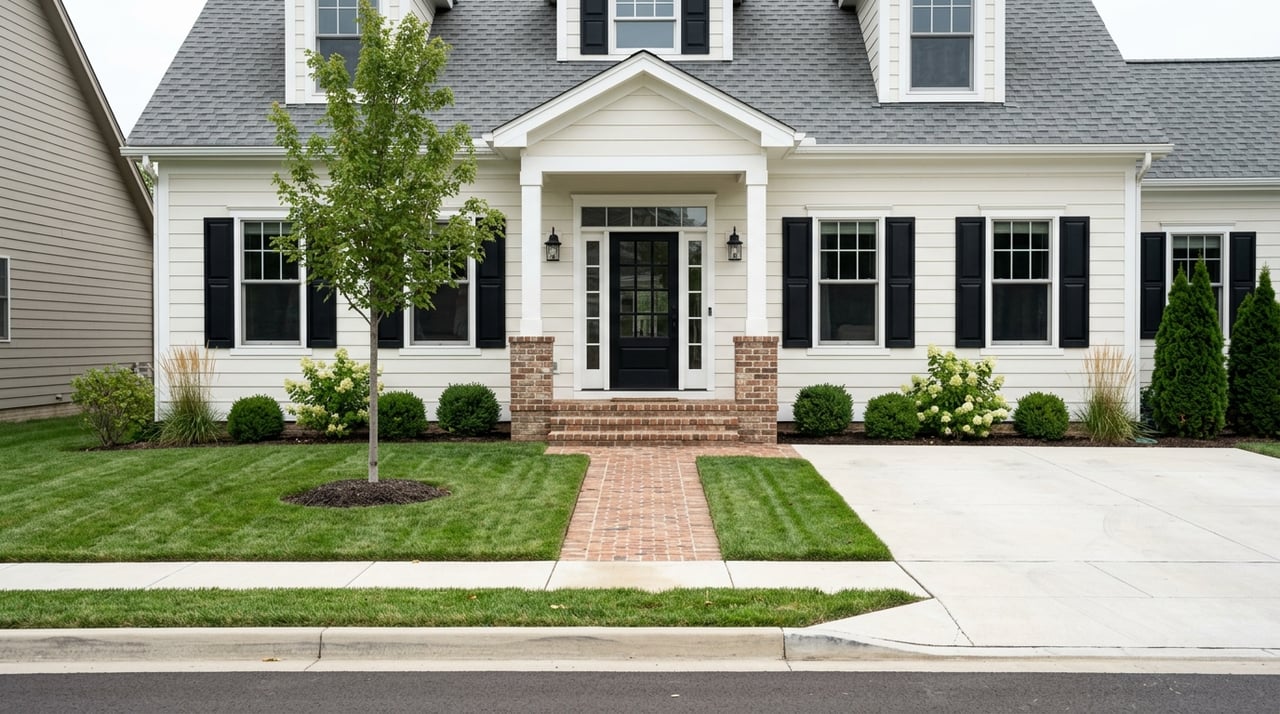
In simple terms, in-town living usually means a more compact setting with municipal services close at hand. Country acreage usually means more land, more separation, and more property systems for you to manage. Neither option is better for everyone, but each one fits a different lifestyle.
If you want a more streamlined ownership experience, living in Farmington city often checks that box. The city’s Public Works department handles streets, sidewalks, stormwater, electric, water, and sewer systems, along with spring cleanup, winter snow removal, and post-storm debris clearing in public rights-of-way. That can mean fewer property logistics for you to coordinate on your own.
City utility service is another practical advantage. Farmington provides centralized utility services and online utility access, which supports a more traditional municipal setup. For many buyers, that feels more predictable than managing private systems.
One of the biggest draws of living in town is simple day-to-day access. Farmington has a strong amenity base for a city its size, with 15 parks, two aquatic facilities, one community center, and a Bike Hostel through the Parks and Recreation Department. The civic center also includes indoor pools, an indoor track, full-sized courts, and fitness space.
You also have routine community resources nearby. The city library adds another everyday-use option, and the downtown area serves as a regional shopping hub with local businesses centered around the courthouse area. If you like shorter errand runs and easy access to services, that can be a meaningful quality-of-life benefit.
For buyers who want to be closer to major public services, Farmington has some clear advantages. Farmington R-7 is the largest school system in St. Francois County, serving more than 3,700 students across an early childhood center, kindergarten center, three elementary schools, an intermediate school, a middle school, a high school, and an alternative education center.
Healthcare access is another in-town strength. Parkland Health Center operates a full-service acute care hospital campus in Farmington. For some buyers, being closer to healthcare, schools, shopping, and recreation is a deciding factor.
Convenience often comes with more structure. Farmington has an active planning and zoning system, with regulated land uses and formal review processes for some zoning-related requests. Depending on the project, improvements may require site plans, plats, surveys, fees, and review by city boards or commissions.
That does not make in-town living less attractive, but it does mean you should ask questions before planning major changes. If you are thinking about additions, fences, outbuildings, or other site improvements, city rules may shape what is possible and what approvals are needed.
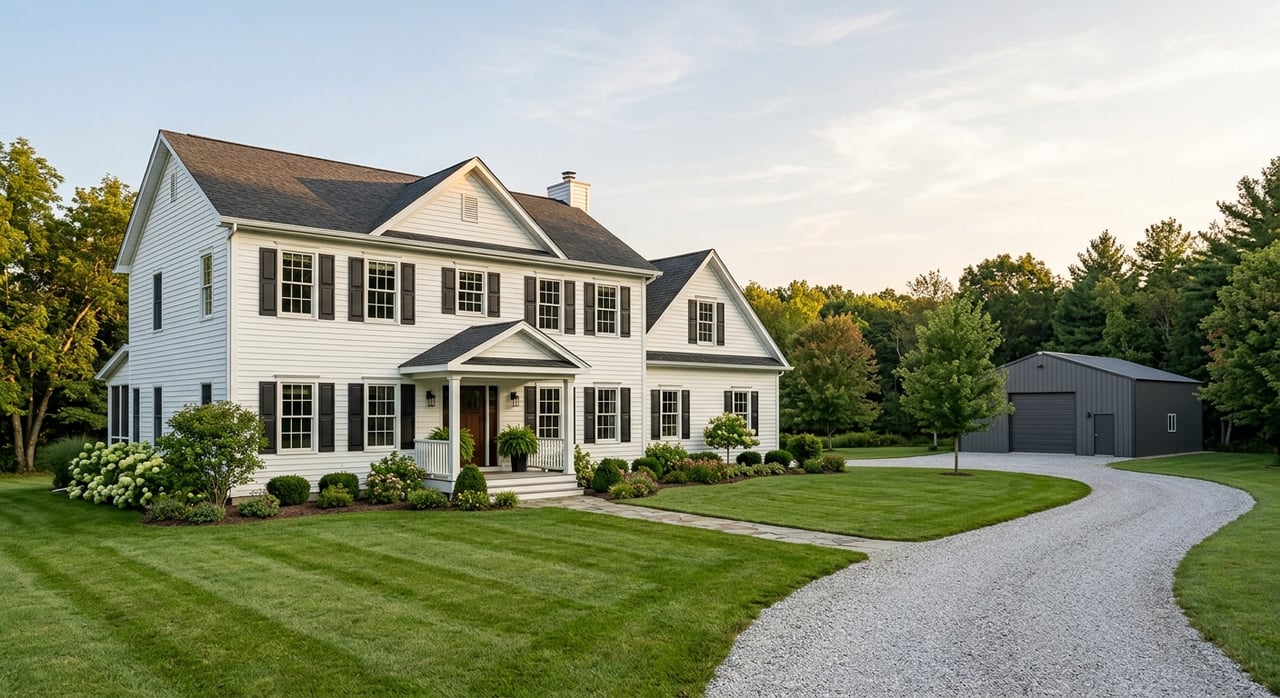
If your priority is space, acreage may feel like the better fit. Because St. Francois County is much less dense than Farmington city, acreage properties generally offer more room between homes, more outdoor-use potential, and more visual privacy. That lower-density setting is a major reason buyers look outside town.
Acreage living can also feel more self-directed. Instead of relying mainly on city-managed infrastructure, you may be responsible for more of the property’s systems and site conditions. For some buyers, that independence is the whole appeal.
The biggest question with acreage is not just how much land you get. It is also how the property functions. Missouri’s Department of Health and Senior Services says onsite wastewater decisions should take into account soil and site limitations, available space, operation and maintenance needs, initial and ongoing costs, landscape disturbance, and the owner’s ability to manage the system.
That is important because rural properties often rely on private systems rather than city utilities. If you are considering acreage, understanding those systems early can save time and stress later in the process.
In St. Francois County, septic and well due diligence matters. The St. Francois County Health Center regulates onsite wastewater systems and requires an OWTS Construction Permit for new systems or major repairs. The county also requires a construction permit application, design plan, and soil morphology for those projects.
The same department provides private well water testing sample kits and technical assistance for well water. If a property has a private well or septic system, those are not side details. They are core parts of the ownership experience.
Acreage buyers sometimes focus so much on the house and land that they overlook access. St. Francois County Road & Bridge maintains 410 miles of roadway, which highlights how spread out the county road network is. The farther a property sits from town, the more important it becomes to understand road access, driveway condition, and winter travel considerations.
This is especially important if you plan to commute regularly or want easy year-round access. A beautiful setting can still come with practical transportation questions, so it is smart to verify those details before you buy.
For many buyers, the daily drive is where this lifestyle decision becomes real. The mean travel time to work is 19.7 minutes in Farmington city compared with 25.9 minutes in St. Francois County overall. That gap will not define every property, but it supports the general idea that living farther out often adds drive time.
If you need quick access to work, appointments, shopping, or activities, in-town living may feel easier over time. If you are happy to trade extra driving for more land and separation, acreage may still be the right move.
The best choice usually comes down to what you want to manage and what you want close by. In-town Farmington often fits buyers who want municipal services, shorter drives, and easier access to parks, shopping, healthcare, and community amenities. Acreage often fits buyers who value land, privacy, and a more rural setting enough to take on more property oversight.
A helpful way to think about it is this: city living tends to reduce the number of moving parts, while acreage living tends to increase independence and owner responsibility. Your ideal fit depends on which trade-offs feel worth it to you.
Whether you are leaning toward a neighborhood home or land outside town, a few local questions can bring clarity fast.
These questions can help you compare properties based on how they actually function, not just how they look in a listing.
Farmington gives you access to two distinct lifestyles within the same market. You can choose the convenience and structure of in-town living, or you can choose the space and self-sufficiency that often comes with country acreage. The better fit is the one that supports the way you want to spend your time, manage your property, and move through daily life.
If you want help comparing in-town homes and acreage properties around Farmington, Traci Palmero can help you evaluate the details that matter most and move forward with confidence.
Stay up to date on the latest real estate trends.

As a multi-lingual real estate expert with designations like ABR, PSA, SFR, and SRS, Traci brings unmatched skill in handling complex transactions. More than just an agent, she's your trusted partner, ensuring informed decisions and a smooth process every step of the way.